
|
 |
Protection shaped by daily life Time outdoors, contact with other animals, travel, and the other pets in your home all affect exposure. Indoor pets can also encounter parasites. We discuss prevention throughout the year and select products suited to your pet’s species, age, weight, and health. |
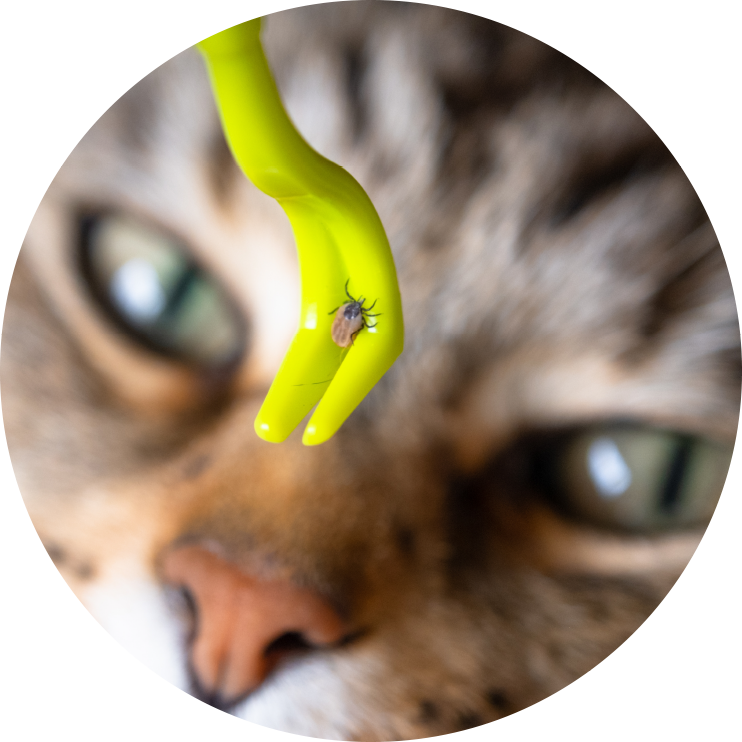 |
Fleas and ticks Fleas can cause itching and skin irritation, and ticks can transmit disease. If you notice persistent scratching, flea dirt, or an attached tick, ask for guidance. Treatment may need to address other pets and the home environment as well as the affected animal. Do not apply a dog-only product to a cat; some ingredients can be dangerous to cats. |
 |
Heartworms and intestinal parasites Mosquitoes can transmit heartworms to both dogs and cats. Prevention and species-appropriate testing are important parts of the discussion. Intestinal parasites may cause digestive problems or occur without obvious signs. A fecal test can help guide treatment, and some parasites can also affect people. |
 |
A practical prevention plan We will discuss recommended products, dosing schedules, and testing for your pet. Bring a list of anything you are currently using and tell us about missed doses or previous reactions. No single product necessarily covers every parasite. Follow the label and veterinary instructions, and ask before combining or switching products. |
 |
Your next step Build a prevention routine you can follow with confidence. Contact VetChique at 1321 Dock Street, Baltimore, MD 21231. |
Parasite Control questions |
Year-round prevention is generally recommended because exposure can continue beyond warm weather. The plan should reflect your pet’s health, local conditions, travel, and the protection provided by the selected product.
Yes. Mosquitoes and fleas can enter homes, and indoor living does not remove every exposure. Ask about prevention that is specifically appropriate for cats.
Yes. Regular testing remains important even with prevention; annual screening is generally recommended for dogs. Missed doses or a change in history may call for a different testing plan.
Contact the veterinary team for advice about testing and the next dose. Do not double medication or use a different pet’s prescription. A photo or fresh stool sample may help, depending on the concern.

Independent. Woman‑Owned. Cat‑Friendly. Designed for Calmer Care.


Baltimore, MD 21231
| Privacy Policy |
© 2027 VetChique, Inc. All rights reserved.
 .......now