
|
 |
Recognizing dental discomfort Bad breath, red gums, drooling, dropping food, and changes in chewing can signal a dental problem. Some pets continue eating despite oral pain. Routine oral examinations help identify concerns that might otherwise be easy to miss, including changes you cannot see at home. |
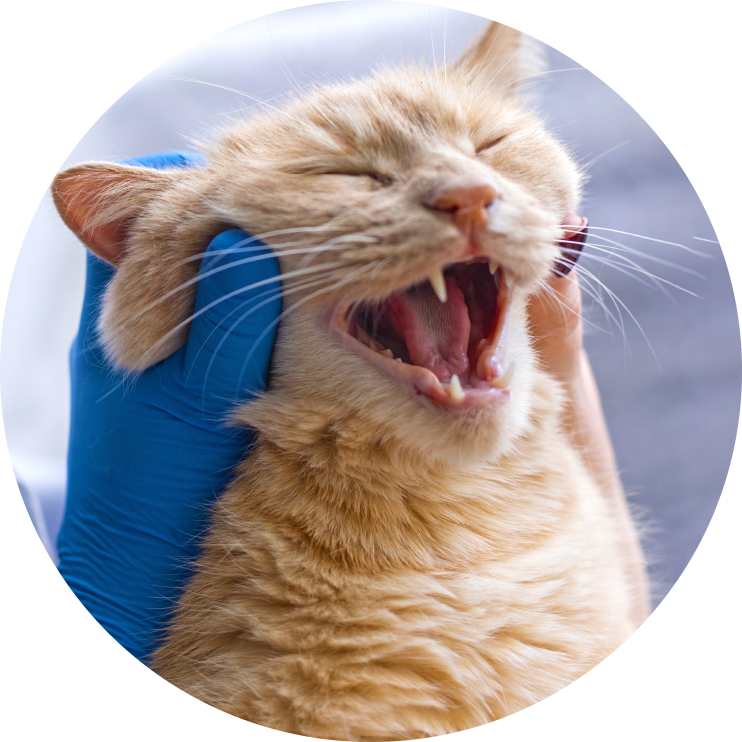 |
From examination to a treatment plan An awake oral examination gives us an initial view of the mouth. A more complete assessment may require anesthesia and dental imaging to evaluate areas beneath the gumline. We will discuss recommended care, anticipated costs, and how treatment decisions will be handled if additional disease is found. |
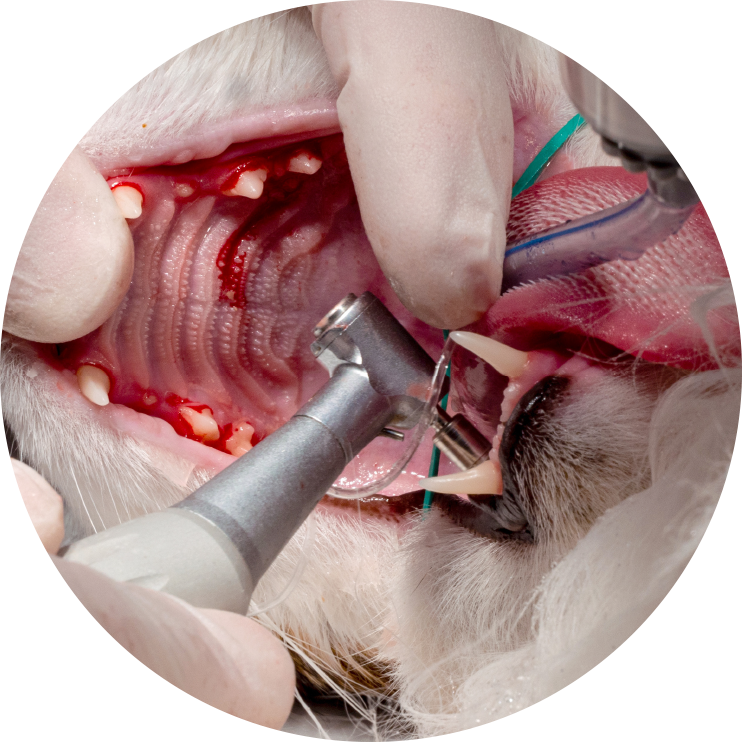 |
Cleaning and treatment Professional dental cleaning under general anesthesia allows the veterinary team to clean above and below the gumline while protecting the airway. When a tooth is painful or diseased, treatment may include extraction or referral for additional care. The plan depends on the examination findings and the treatment best suited to your pet. |
 |
Comfort before and after care Before a dental procedure, we assess your pet’s health and discuss any recommended testing. Anesthesia and pain control are planned around the patient. After treatment, follow the feeding, medication, and activity instructions provided. Once your pet’s mouth is comfortable, we can discuss brushing and appropriate home-care products to support oral health between visits. |
 |
Your next step Start with a closer look at your pet’s oral health. Request a dental assessment at VetChique, 1321 Dock Street, Baltimore, MD 21231. |
Dental Care questions |
The right interval depends on the condition of the mouth, age, breed, and home care. Regular oral examinations help determine when a professional cleaning or other treatment is needed; every pet does not follow the same schedule.
Anesthesia enables a thorough examination and cleaning beneath the gumline while helping protect the airway. An awake surface cleaning cannot replace a complete veterinary dental procedure.
Yes. Cats may continue eating despite painful teeth or gums. Changes in chewing, grooming, temperament, or interest in food are worth discussing, even if your cat has not stopped eating.
Not necessarily. The examination and any recommended imaging guide that decision. We will discuss treatment options, consent, and aftercare when extraction is recommended for a painful or diseased tooth.

Independent. Woman‑Owned. Cat‑Friendly. Designed for Calmer Care.


Baltimore, MD 21231
| Privacy Policy |
© 2027 VetChique, Inc. All rights reserved.
 .......now