
|
 |
A plan for your pet A new puppy, an indoor cat, and a dog that attends daycare can have different vaccination needs. We discuss contact with other animals, travel, boarding, and time outdoors. Bring any previous vaccine records so we can determine what is due and avoid unnecessary duplication. |
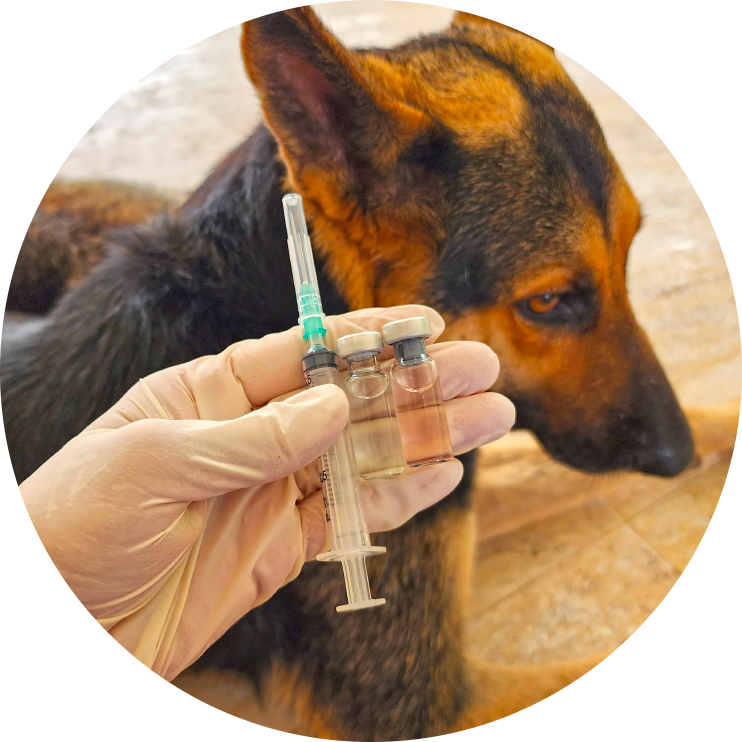 |
Vaccinations for dogs Core protection includes rabies and vaccines against canine distemper, adenovirus, and parvovirus. Current AAHA guidance also recommends leptospirosis vaccination as core for dogs. Depending on your dog’s circumstances, we may discuss Bordetella, Lyme disease, and canine influenza vaccination. Vaccination products and proper timing are selected for each individual patient’s needs. |
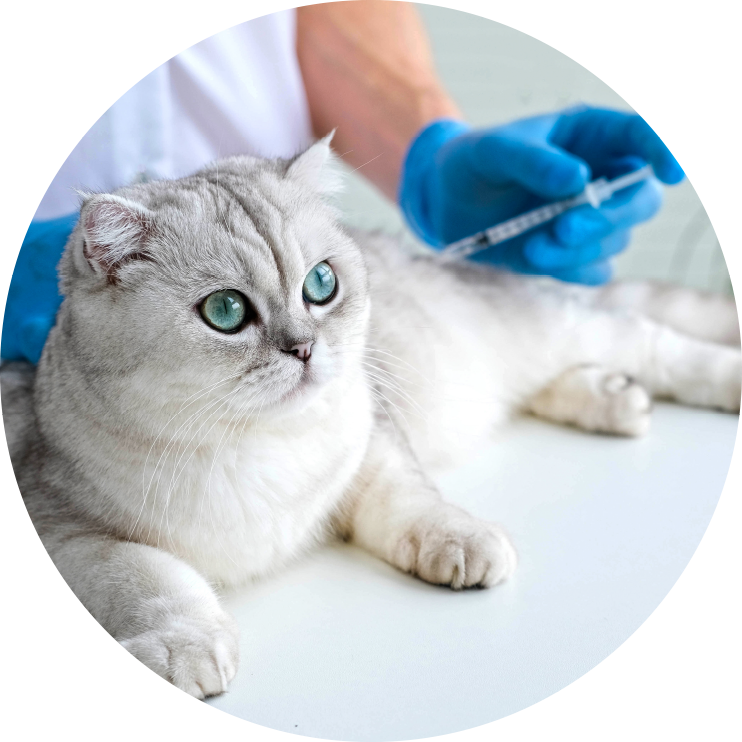 |
Vaccinations for cats Feline vaccination plans commonly include rabies and FVRCP, which protects against feline viral rhinotracheitis, calicivirus, and panleukopenia. Feline leukemia vaccination is particularly important for kittens and young cats. Recommendations for older cats depend on exposure risk and other factors. Indoor living is part of the assessment, not a reason to skip the conversation. |
 |
What to expect We review your pet’s medical history and health before vaccination. Puppies and kittens generally need a series of doses, while adult booster schedules vary by vaccine and history. Tell us about past vaccine reactions or current illness. Before you leave, we will discuss the next recommended steps and what to watch for at home. |
 |
Your next step Keep your pet’s protection up to date with a thoughtful vaccine plan. Visit with VetChique at 1321 Dock Street, Baltimore, MD 21231. |
Vaccinations questions |
Many vaccine series begin around six to eight weeks of age, but timing varies by vaccine and circumstances. Share your pet’s age and records so we can plan the initial series and follow-up visits.
No. Booster intervals depend on the vaccine, product, prior doses, and applicable requirements. We review the record and recommend a schedule rather than repeating every vaccine each year.
Indoor cats still need an individualized vaccination plan. Possible escapes, contact with other animals, and rabies requirements all matter. We can explain which vaccines are appropriate for your cat.
Mild soreness or tiredness can occur. Call a veterinarian if you are concerned. Facial swelling, breathing difficulty, collapse, or repeated vomiting after vaccination requires immediate veterinary attention.

Independent. Woman‑Owned. Cat‑Friendly. Designed for Calmer Care.


Baltimore, MD 21231
| Privacy Policy |
© 2027 VetChique, Inc. All rights reserved.
 .......now