
|
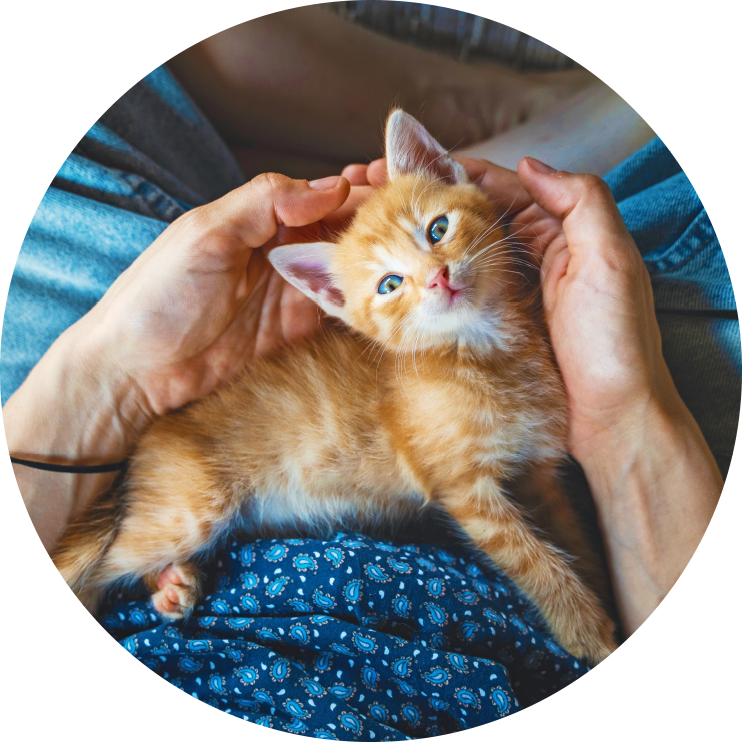 |
Care that starts with listening You know your pet’s habits best. Changes in appetite, weight, sleep, activity, grooming, or litter box use can offer important clues, even when your pet seems otherwise well. We make those observations part of the conversation and examine your pet for signs that may need closer attention. |
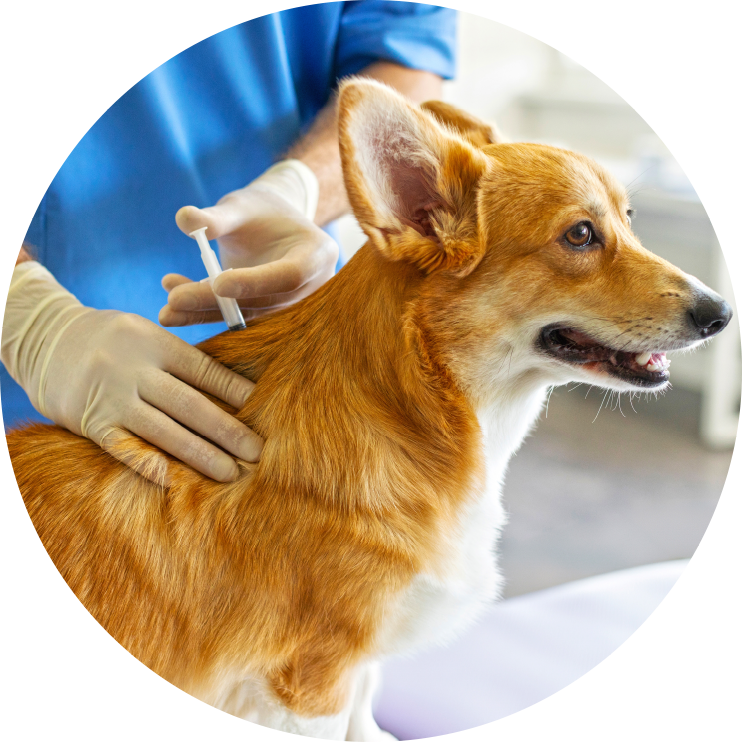 |
What a wellness visit covers Your pet’s physical examination may include the eyes, ears, mouth, skin, heart, lungs, abdomen, and movement. We also review nutrition, body condition, behavior, and preventive care. Vaccines, parasite screening, and blood or urine testing are recommended individually; they are not automatically needed at every visit. |
|
Care that starts with listening You know your pet’s habits best. Changes in appetite, weight, sleep, activity, grooming, or litter box use can offer important clues, even when your pet seems otherwise well. We make those observations part of the conversation and examine your pet for signs that may need closer attention. |
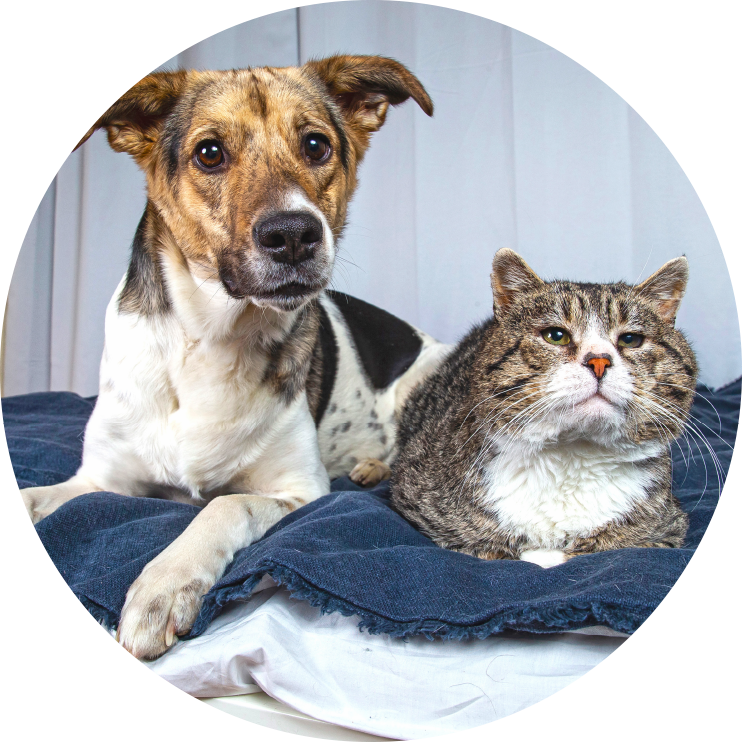 |
Support for every life stage Puppies and kittens need a foundation of preventive care and guidance as they grow. Adult pets benefit from regular checkups and a plan that fits their lifestyle. Older pets or pets living with ongoing conditions may need more frequent examinations and screening. We will help you decide when to return rather than relying on age alone. |
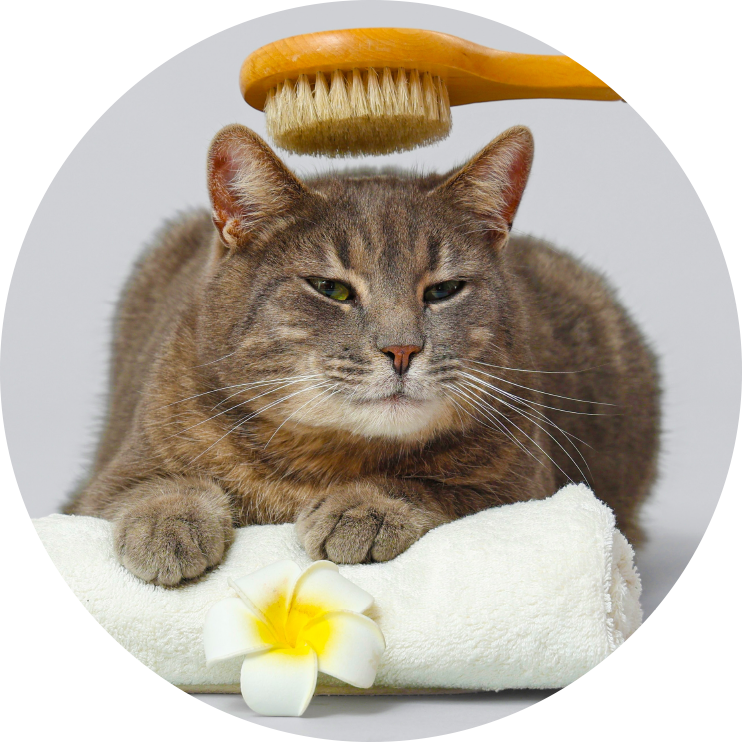 |
A more comfortable visit Our spa-like setting and attention to feline comfort support a calmer experience for pets and their people. Tell us if your cat dislikes the carrier or your dog becomes anxious at appointments so we can discuss preparation. Bring previous records, a medication list, and your questions; ask whether a fresh stool sample is needed. |
 |
Your next step Give your pet a preventive care plan that fits their life. Request a wellness visit with VetChique at 1321 Dock Street, Baltimore, MD 21231. |
Wellness Exams questions |
Many healthy adult cats and dogs benefit from an examination at least once a year. Young pets, older pets, and those with medical conditions may need visits more often. We will recommend an interval for your pet.
Yes. Indoor cats can develop dental disease, weight changes, and other health concerns. Regular examinations let us discuss subtle changes at home and review appropriate preventive care.
The examination helps determine which additional services are appropriate. Ask for an estimate covering recommended vaccines or tests so you understand the plan and associated costs before proceeding.
No. Contact a veterinarian about new symptoms instead of waiting for a routine checkup. Trouble breathing, collapse, or difficulty passing urine warrants urgent veterinary attention.

Independent. Woman‑Owned. Cat‑Friendly. Designed for Calmer Care.


Baltimore, MD 21231
| Privacy Policy |
© 2027 VetChique, Inc. All rights reserved.
 .......now