
|
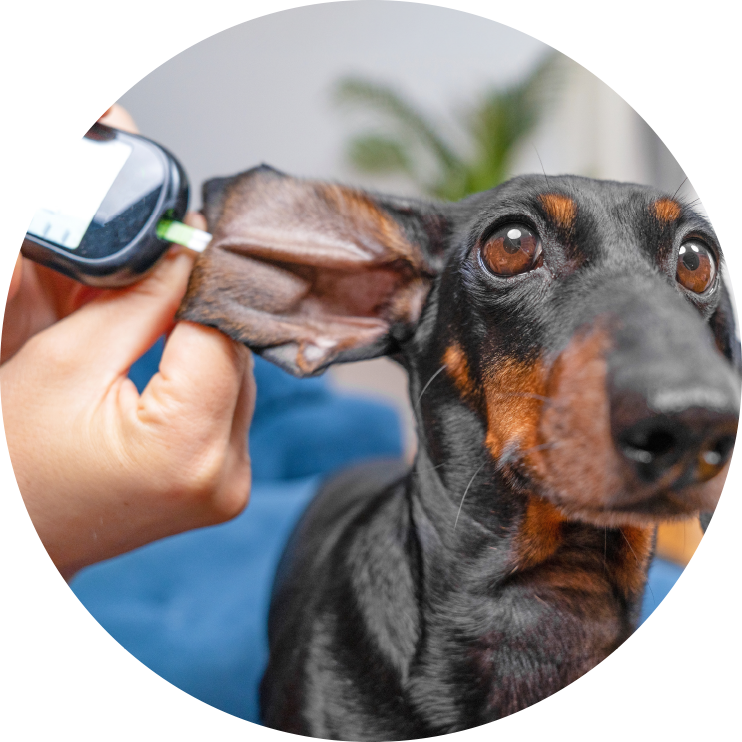 |
Choosing the right treatment We examine your pet, review the medical history, and discuss the problem surgery is intended to address. We also explain alternatives when appropriate, the expected benefits, and the important risks. Additional testing may be recommended before deciding whether and when to proceed. |
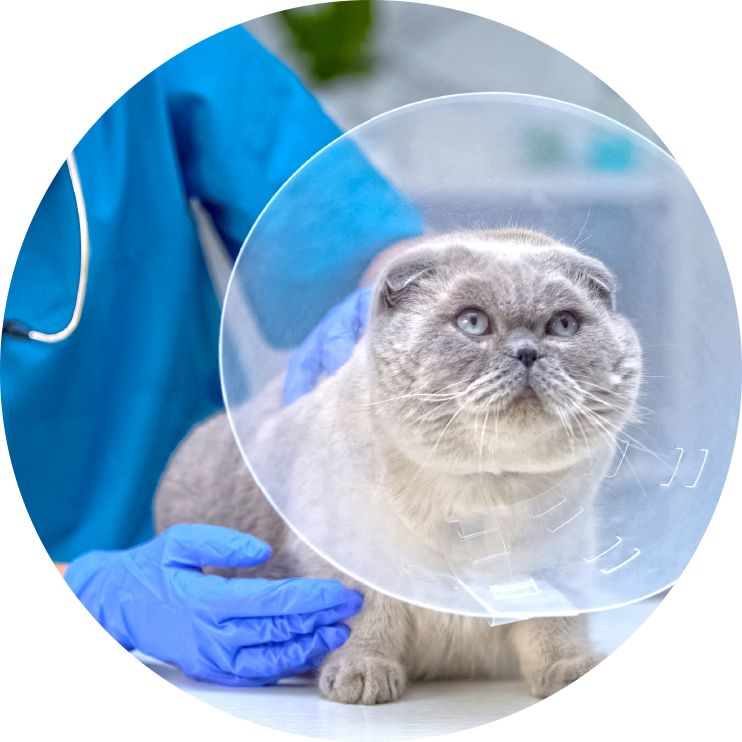 |
Planning the procedure Spay and neuter procedures are part of surgical care. Other concerns, such as a skin mass, a wound, or an abdominal problem, require individual assessment to determine the appropriate procedure and care setting. When a pet needs a service beyond the clinic’s scope, we will discuss referral options. |
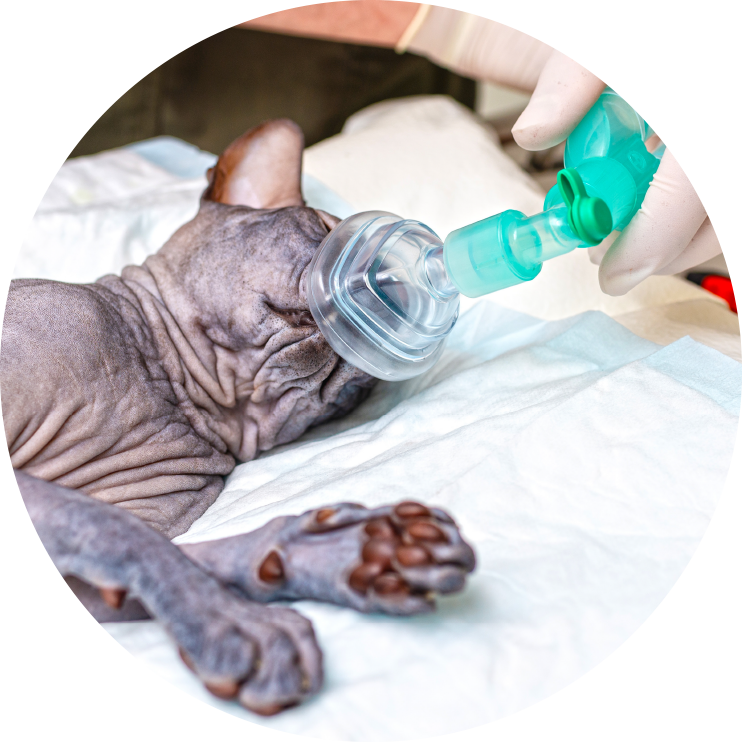 |
Anesthesia and pain management The anesthetic approach is based on the procedure and your pet’s health. Assessment, monitoring, and pain management help support care before, during, and after surgery. No anesthetic procedure is entirely without risk, and we will discuss concerns specific to your pet rather than promise a risk-free experience. |
 |
Preparing for home recovery Follow the instructions provided for food, water, and medications before surgery. After discharge, your pet may need restricted activity, incision protection, medication, and a recheck. Recovery varies with the procedure and patient. Contact the veterinary team about unexpected swelling, discharge, persistent discomfort, or other changes; seek urgent care for severe symptoms such as trouble breathing or collapse. |
 |
Your next step Talk through your pet’s treatment options with VetChique at 1321 Dock Street, Baltimore, MD 21231. We will help you understand the proposed next steps. |
Surgery questions |
Start with a consultation about the procedure your pet may need. We will confirm whether it can be performed at VetChique or whether referral is appropriate before scheduling surgical treatment.
Orthopedic concerns need an examination and sometimes imaging before a treatment plan can be made. Contact us to discuss your pet’s condition and the appropriate surgical or referral pathway. Availability of a specific orthopedic procedure must be confirmed.
Preanesthetic testing may be recommended based on health history, examination findings, age, and the procedure. It helps inform planning but cannot eliminate every anesthetic risk.
Recovery depends on the operation and your pet’s health. Follow the individualized discharge instructions, even if your pet seems energetic sooner. Ask when normal exercise, bathing, and play can resume.
Independent. Woman‑Owned. Cat‑Friendly. Designed for Calmer Care.


Baltimore, MD 21231
| Privacy Policy |
© 2027 VetChique, Inc. All rights reserved.
 .......now