
|
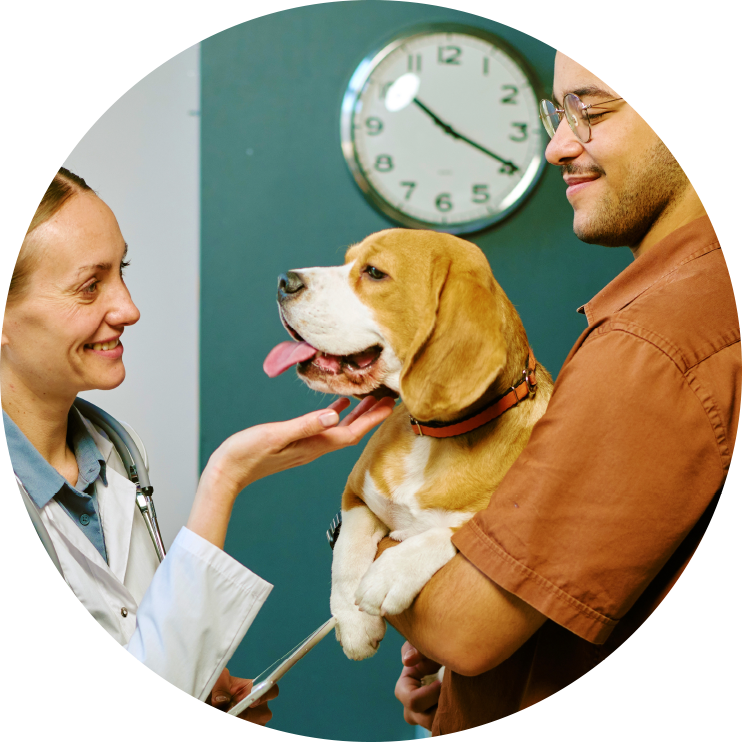 |
Timing that fits your pet There is no single age that is right for every patient. Species, breed, expected adult size, health, and circumstances all influence the recommendation. We discuss the potential benefits and considerations with you so the timing reflects your pet’s needs. |
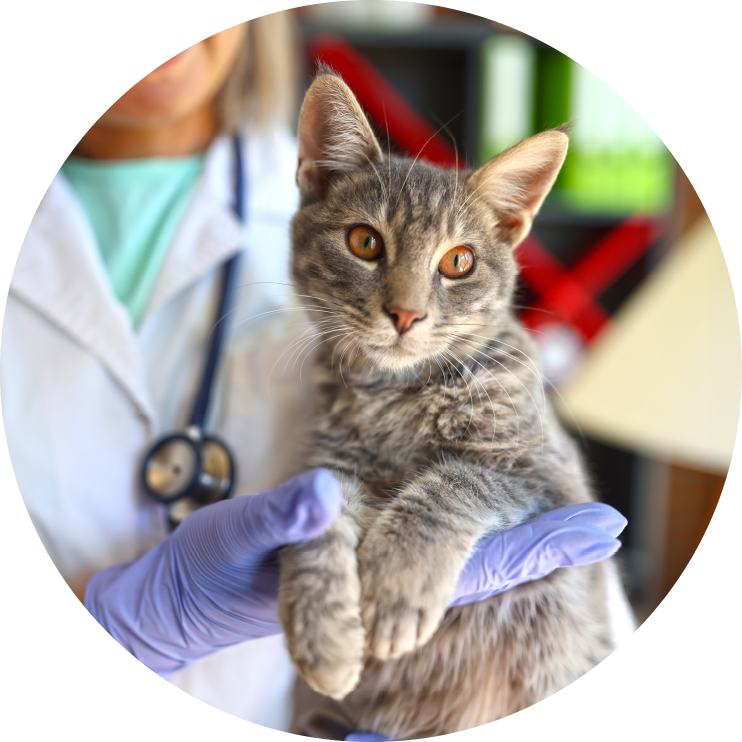 |
Understanding the benefits Spaying and neutering prevent unwanted litters. Spaying removes the ovaries, sometimes with the uterus, and stops heat cycles. Neutering removes the testicles and prevents testicular cancer. Other health benefits and tradeoffs depend on the patient and timing. Some hormone-related behaviors may decrease, but surgery is not a guaranteed solution for anxiety or aggression. |
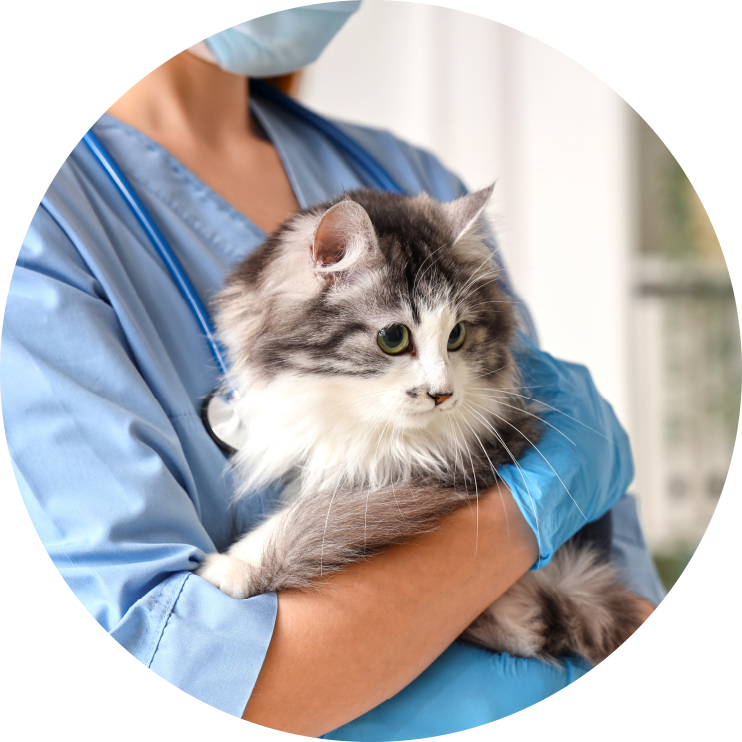 |
Before and during surgery We review your pet’s history and perform an assessment before proceeding. Recommended testing, anesthesia, and pain management are discussed as part of the surgical plan. Tell us about all medications and supplements, and follow the specific instructions for eating and drinking before admission. |
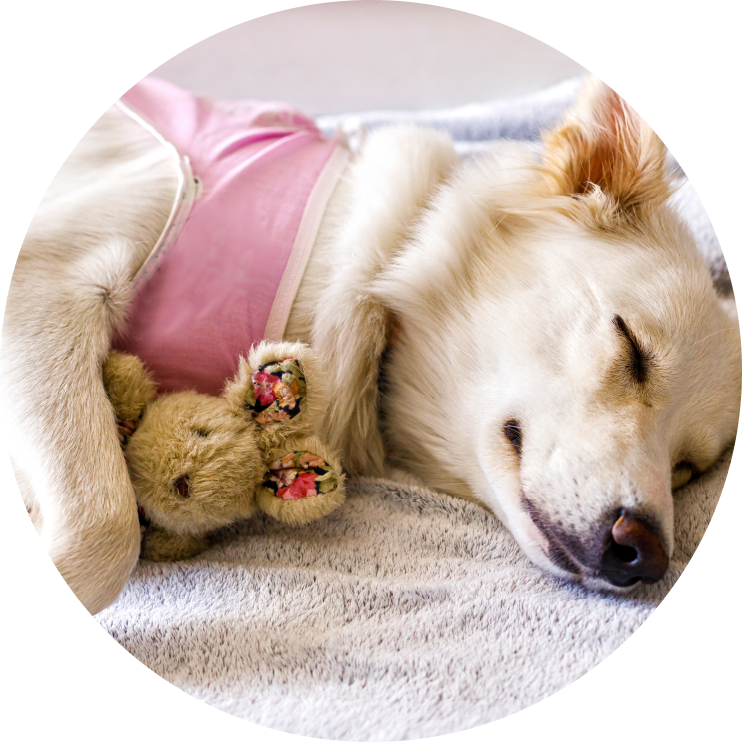 |
Giving recovery enough time Many pets need approximately 10 to 14 days of restricted activity after a routine spay or neuter, although your pet’s instructions may differ. Feeling better after a few days does not mean the incision has healed. Prevent licking as directed, give prescribed medication, and keep follow-up appointments. Contact the team if you notice worsening redness, swelling, discharge, poor appetite, or signs of discomfort. |
 |
Your next step Make an informed plan for your pet’s surgery. Contact VetChique at 1321 Dock Street, Baltimore, MD 21231 to discuss timing and next steps. |
Spay and Neuter questions |
The recommendation depends on species, breed, size, health, and reproductive risk. Schedule a discussion early so we can plan ahead instead of applying one age recommendation to every cat or dog.
Your pet’s individual personality does not simply disappear after surgery. Some reproductive behaviors may change, but anxiety, aggression, and other behavior concerns may need separate assessment and management.
Usually not. A pet may feel active before the incision has healed. Follow the prescribed restriction period and ask the team before returning to running, jumping, rough play, or bathing.
Ask about combining microchipping with the procedure. Placement can often be performed while a pet is already anesthetized. Registration and current contact information are still necessary afterward.
Independent. Woman‑Owned. Cat‑Friendly. Designed for Calmer Care.


Baltimore, MD 21231
| Privacy Policy |
© 2027 VetChique, Inc. All rights reserved.
 .......now