
|
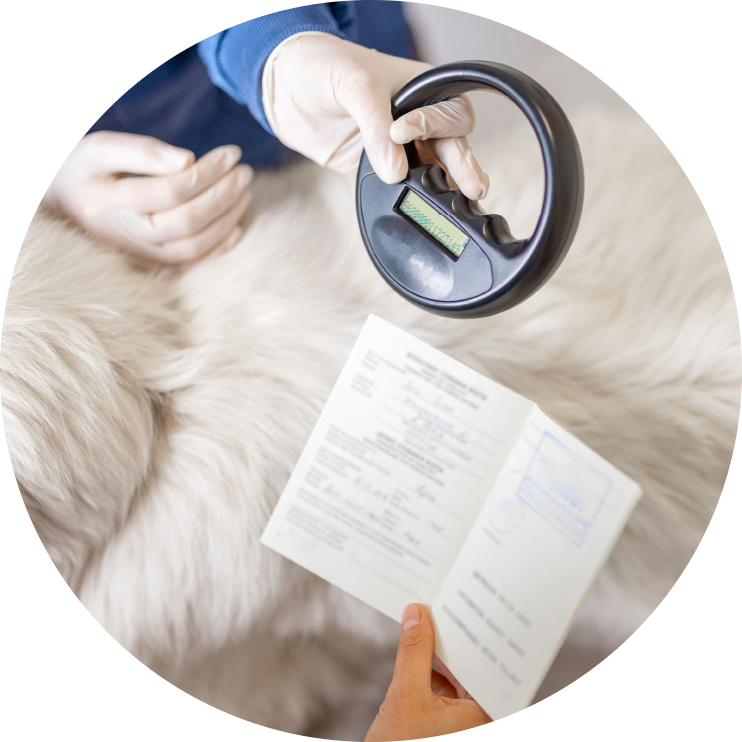 |
An extra layer of identification Collars and tags are helpful, but they can come off. A microchip sits beneath the skin and carries a unique identification number that can be read with a compatible scanner. When the number is connected to current registration details, it can help a shelter or veterinary team reach your family. |
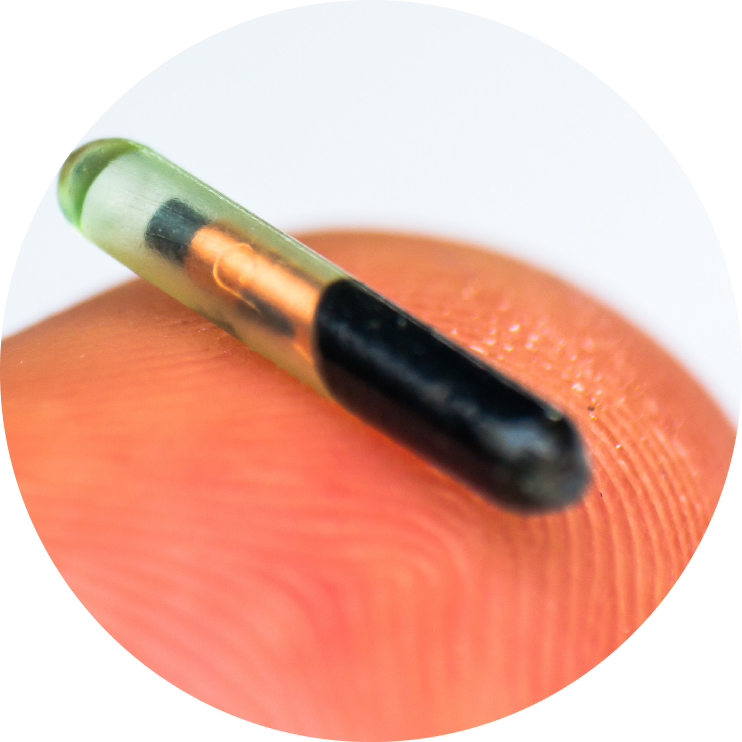 |
What placement involves The chip is small, approximately the size of a grain of rice, and is usually placed beneath the skin between the shoulder blades with a needle. Most pets do not need anesthesia specifically for placement. It can also be discussed when another procedure is planned. Tell us if your pet may already have a chip so it can be checked first. |
 |
Registration makes the connection The microchip number must be registered with the appropriate database. Keep your phone number, address, and alternate contact current, particularly after a move or change of ownership. Save the chip number with your pet’s records and ask how to confirm the registration is complete. |
 |
Protection for indoor pets too Even a pet that spends most of its life indoors can slip out through an open door or become separated during travel. Microchipping complements visible identification and practical precautions. It does not track your pet’s location or guarantee a reunion, but it provides another way to connect a found pet with their family. |
 |
Your next step Add a lasting form of identification for your pet. Request microchipping at VetChique, 1321 Dock Street, Baltimore, MD 21231. |
Microchipping questions |
No. A standard identification microchip does not show your pet’s live location. A scanner reads its identification number, which can then be used to locate the appropriate registration record.
Usually no. The chip is inserted with a needle, and most pets do not need anesthesia just for placement. There may be brief discomfort similar to an injection.
Ask for a scan to check for an existing chip and confirm the number. You may only need to update registration details rather than place another chip.
Update your information directly with the microchip registry and keep your veterinary records current too. Changing one record does not necessarily update the other. Ask for help identifying the registry if needed.
Independent. Woman‑Owned. Cat‑Friendly. Designed for Calmer Care.


Baltimore, MD 21231
| Privacy Policy |
© 2027 VetChique, Inc. All rights reserved.
 .......now